
Building a Longer Table
What hospitality teaches us about belonging, care, and who feels welcome

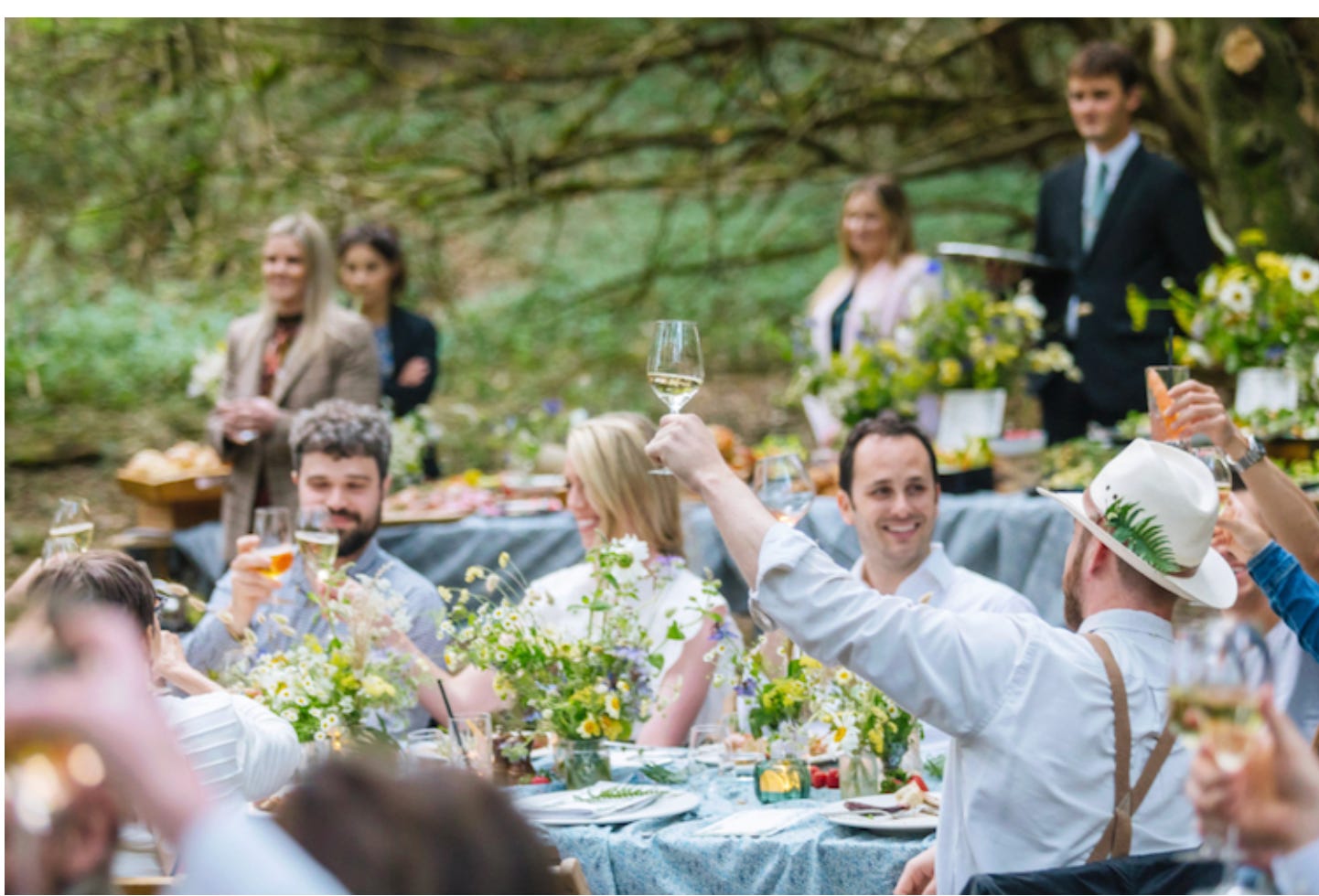
There is a moment at every gathering that matters more than the flowers, the menu, or the music.
It’s the moment someone walks through the door.
Before the first sip of champagne.
Before they find their seat.
Before the conversation begins.
It’s the moment when they internally ask:
Does my presence matter here? Am I welcome here?
As a host, that moment is everything. It’s where hospitality begins. With eye contact. With warmth. By greeting them with their favorite cocktail. And ultimately, by sending the subtle but unmistakable message: We’re so excited to see you. We hope you’ll feel comfortable. You are wanted here.
The longer I’ve worked in the world of celebration, the more I’ve realized that hospitality is not just aesthetic. It’s not about performing. And it’s not about impressing people.
It’s about dignity.
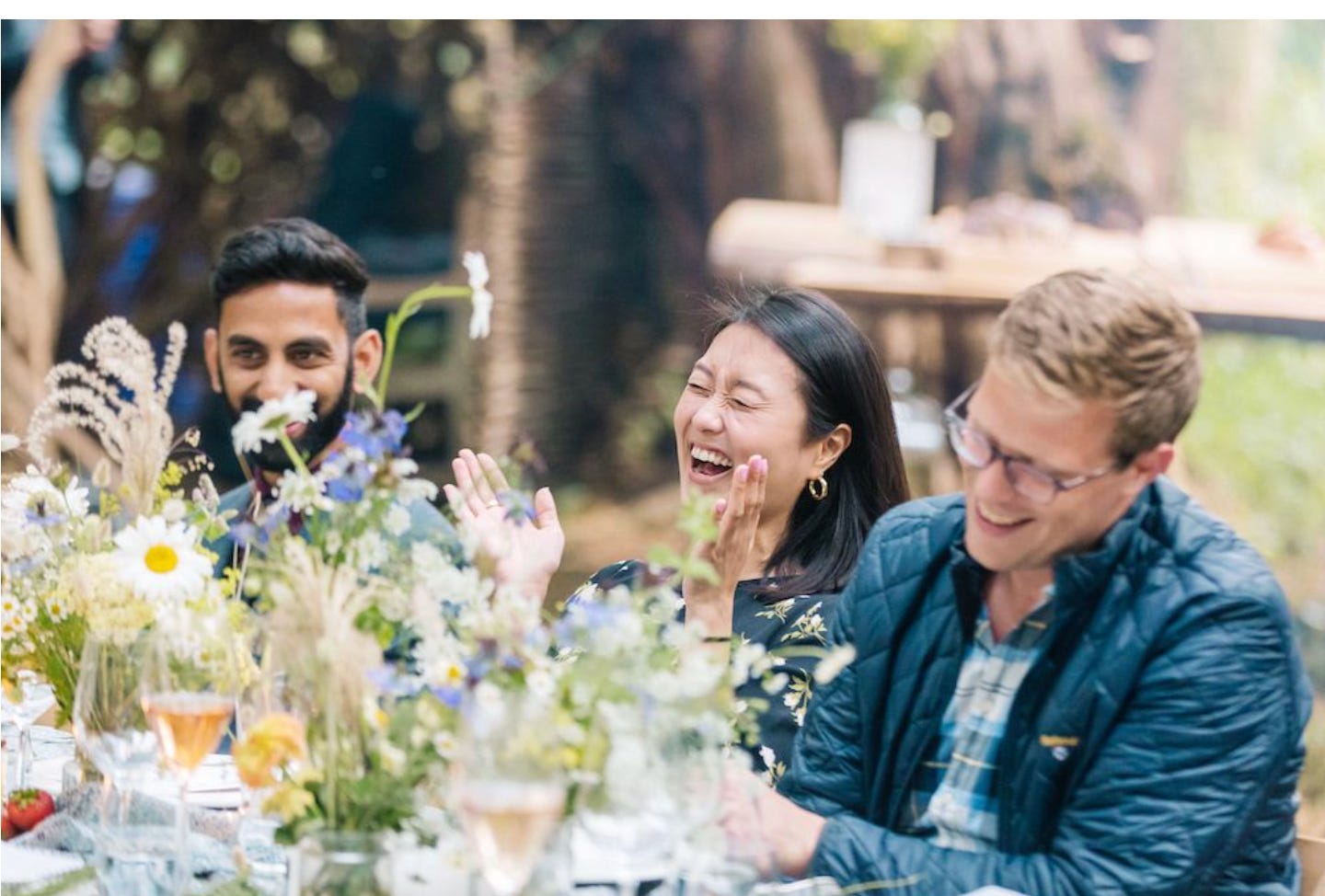
True hospitality says:
We see you.
We made space for you.
Your presence matters.
And that belief, that every person deserves to feel cared for, comfortable, and seen, doesn’t stop at the edge of a dining table.
For me, It impacts how I see everything in this world.
I’ve always believed that the best gatherings build longer tables.
Not a more exclusive one.
Not a more impressive one.
But longer ones with room for more stories, more perspectives, more people who might not otherwise find themselves side by side.
That philosophy shapes every celebration I design. Yes, there are flowers and lighting and thoughtful menus. But those are just the details. The deeper work of hospitality is about something far more human.

When we host well, we think about things most guests never notice.
Is there food everyone can eat?
Is there a quiet place for our introverted guests who may prefer quiet conversation over a loud dance floor?
Is the lighting soft enough to feel welcoming, encouraging guests to linger longer than they might have otherwise?
Does anyone look unwelcome, confused or unsure where to go?
Hospitality is the art of noticing all of those things, both during the planning process and during the celebration itself.
Hospitality demands that we pay attention to who might feel like an outsider, and then quietly remove the barriers that could make them feel that way.
As hosts, we don’t say, “You can stay, but only if you’re exactly like us.”
We say, “Come in. Let me take your coat. We can’t wait to spend time with you.”
A generous host doesn’t create comfort by excluding people.
They create comfort by building an environment where many kinds of people can exhale.
Where differences are not a threat, but instead offer texture for a better celebration.
Where new stories make the evening richer.
Where no one has to shrink to fit in.
Including our neighbors, no matter what their background, is fundamental to the art of hospitality. And as a host, who lives and breathes the art of celebration, hospitality and connection, my goal is always to express through intentional moments the promise that: “In my space, you are welcome. You are a person to be cared for.”
The most beautiful gatherings I’ve ever experienced weren’t the most extravagant.
They were the ones where people felt at ease. Where laughter came easily. Where no one was posturing or performing. Where everyone, from the closest friend to the newest acquaintance, felt like they had a place.
That kind of atmosphere doesn’t happen by accident. It happens because someone decided, deliberately, to make room.
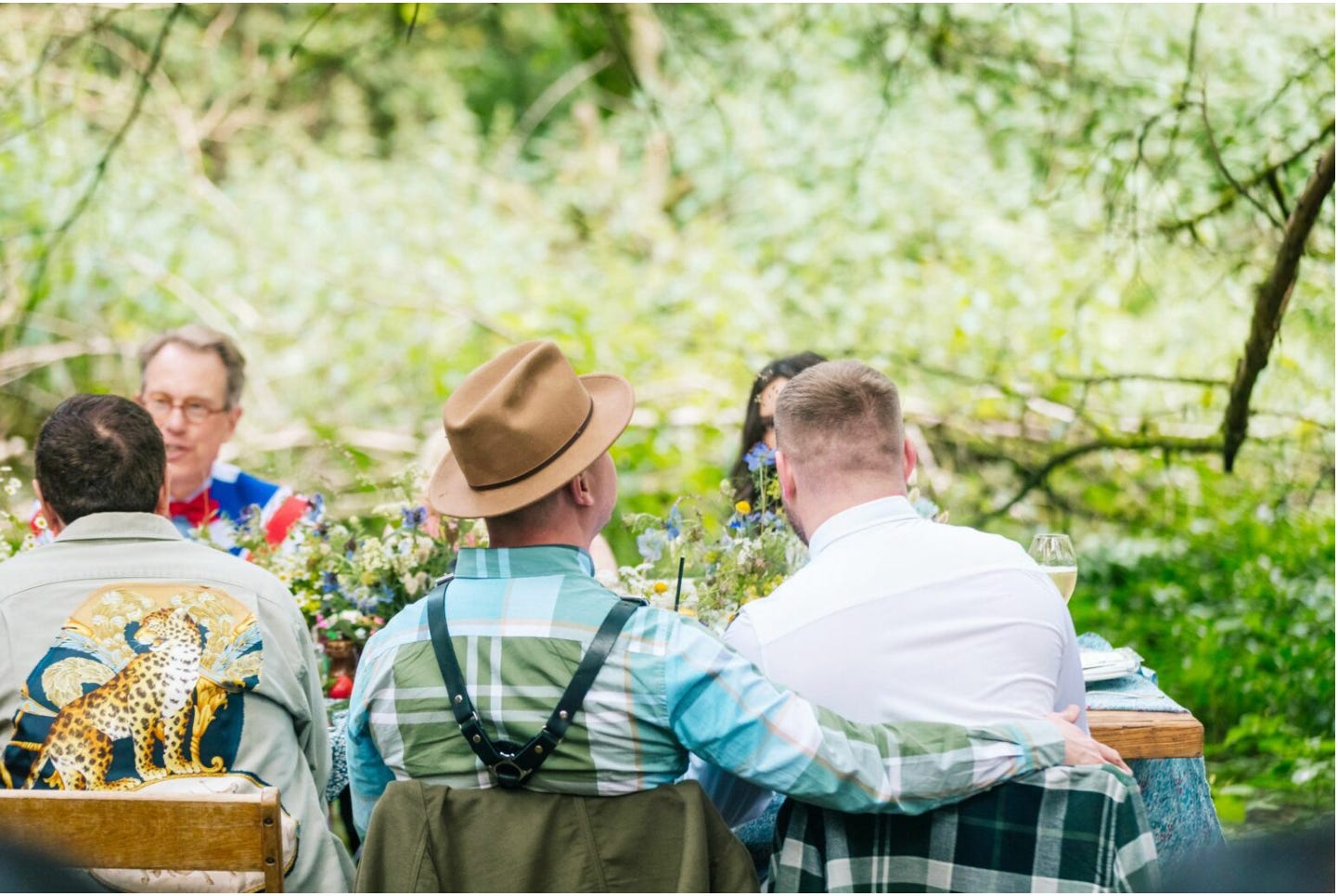
Right now, making room, emotionally, socially and civically, is being presented like a radical act. But it’s shouldn’t need to be. It’s how communities survive. It’s how cultures evolve. It’s how we remind each other that we are more than our paperwork, our accents, or the borders we happened to cross.
Hospitality teaches us something simple and profound:
You don’t have to know someone’s whole story to treat them with care.
You don’t have to share someone’s background to respect their humanity.
Instead, it’s about recognizing that you get to connect with others. You get to be a welcoming space. You get to share the gift that is hospitality.
And in times like these, that gesture is more than gracious. It’s a statement about the kind of world we want to live in.